
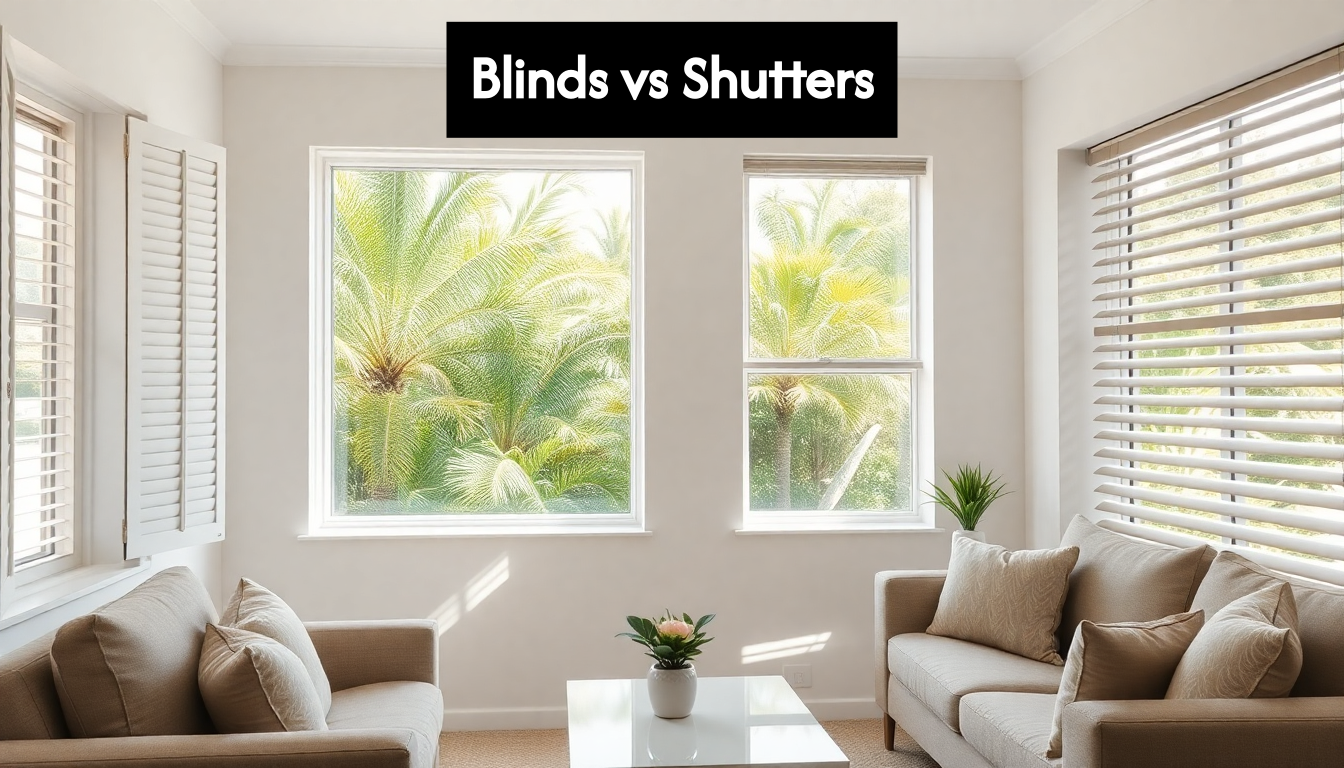
Choosing the right window treatment can be a game changer for any space. Blinds and shutters serve similar purposes but offer distinctly different advantages. But here’s the twist. Shutters can last over 20 years, while blinds typically need replacement every 5 to 7 years. This makes shutters not just a decorative choice but a smart long-term investment for durability and style. Ready to discover how each option could transform your home?
Table of Contents
- Defining Blinds And Shutters
- Key Design And Style Factors
- Material Maintenance And Durability
- Cost And Installation Insights
Quick Summary
| Takeaway | Explanation |
|---|---|
| Blinds are more flexible and affordable | Blinds typically represent a lower initial investment compared to shutters, making them an accessible option for budget-conscious homeowners. |
| Shutters offer superior durability | Shutters generally last 20+ years, while blinds typically need replacement every 5-7 years, making shutters a more economical choice in the long run. |
| Shutters enhance property value | Due to their permanent fixture and substantial appearance, shutters can add to the overall property value, especially in heritage or luxury markets. |
| Material selection impacts performance | Choosing appropriate materials for blinds and shutters is essential for durability and maintenance, particularly in Durban’s humid climate. |
| Installation costs differ significantly | Blinds installation is generally less expensive and easier, while shutter installation is more complex, requiring professional expertise and measurements. |
Defining Blinds and Shutters
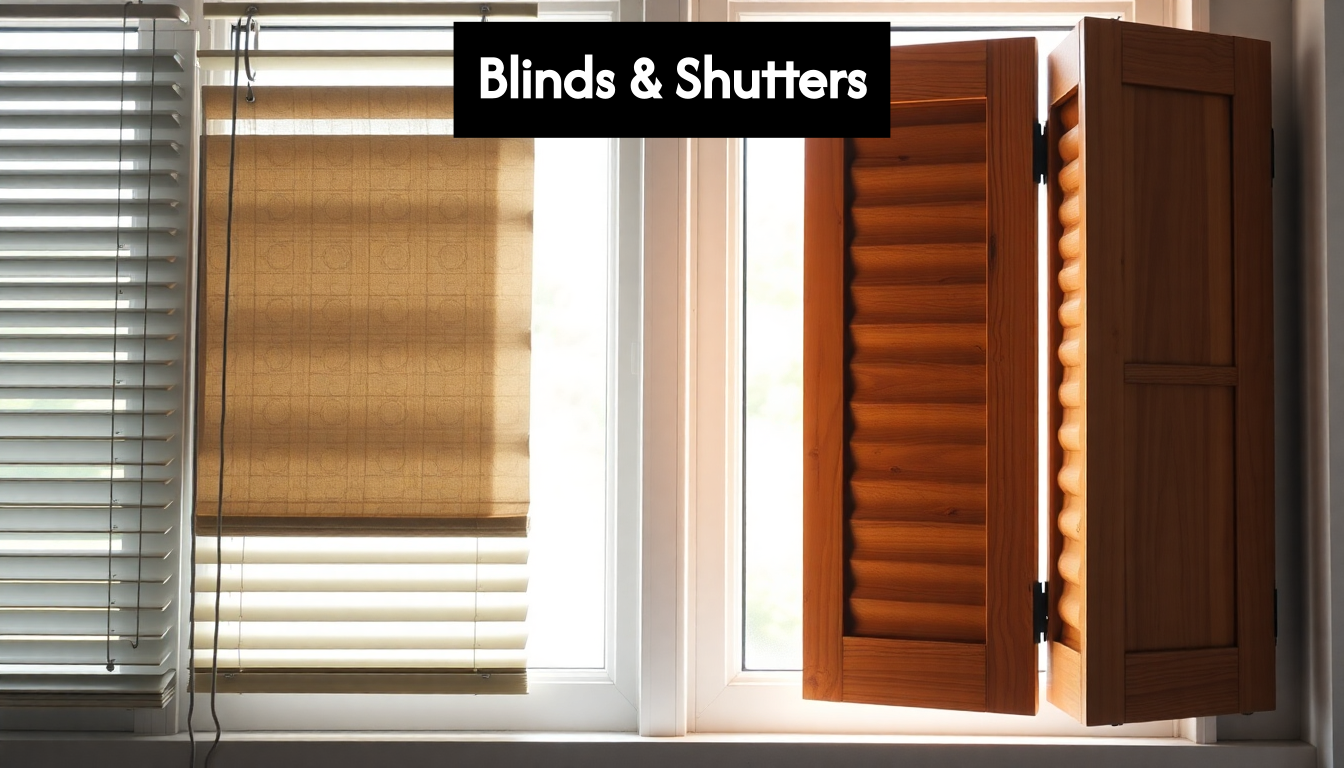
When it comes to window treatments, blinds and shutters are two popular options that many homeowners and property managers consider. Though they may serve similar purposes, understanding the difference between blinds and shutters is essential for making the right choice for your space. Let’s break down what each of these window coverings actually is, their core characteristics, and what sets them apart.
What Are Window Blinds?
Window blinds are adjustable window coverings consisting of long strips of material held together by cords or fabric tapes. They can be rotated to regulate light and privacy levels by adjusting the angle of the slats. Blinds are typically mounted inside or above the window recess and only fixed at the top of the window frame.
The flexibility of blinds comes from their design and materials. According to Paul James Blinds, blinds are made from thinner, more lightweight materials compared to shutters. Common materials include:
- Vinyl (affordable and moisture-resistant)
- Aluminum (durable and sleek)
- Wood (classic and elegant)
- Faux wood (combining the look of wood with greater durability)
- Fabric (for roller, Roman, or cellular styles)
The primary mechanism of blinds involves raising and lowering the entire covering, as well as tilting the slats to control light filtration. This dual control system offers you precise management of natural light entering your room.
What Are Window Shutters?
Shutters, on the other hand, are solid window coverings typically made of wood or composite materials with horizontal slats that can be adjusted. They are permanently mounted to the window frame using metal hinges, creating a sturdy, built-in appearance.
Unlike blinds, shutters attach to the sides of your window frames, not just the top. This creates a more solid and permanent fixture. Sunrite explains that shutters are fixed to window sides, creating a more robust structure compared to blinds.
Shutters are characterized by their:
- Sturdy construction with thicker materials
- Hinged panels that swing open and closed
- Adjustable louvers (slats) that control light and ventilation
- Distinctive architectural presence
Key Structural Differences
The fundamental difference between blinds vs shutters lies in their construction and attachment. Blinds hang from the top of the window using brackets and hardware, while shutters are physically attached to the window frame itself, making them more of a permanent fixture.
This structural difference affects everything from installation to functionality. Blinds can be easily removed or replaced, making them more temporary and adaptable to changing tastes. Shutters, meanwhile, become part of the window architecture and generally stay with the home when it’s sold.
Energy Efficiency Considerations
Both window treatments offer energy benefits, but in different ways. Research has shown that proper window coverings can significantly reduce energy costs. In fact, studies indicate that blinds and shutters can provide substantial energy savings, with heating energy reductions of up to 35% for single glazing and 25% with double glazed windows, according to research published in Energy and Buildings.
Shutters typically offer superior insulation due to their thicker construction and tighter seal against the window frame. Blinds, while still helpful for energy efficiency, generally provide less insulation but offer more flexibility in controlling light throughout the day.
Understanding these fundamental definitions helps clarify the difference between blinds and shutters, giving you a solid foundation for choosing the right window treatment for your home or commercial property in Durban. Whether you prioritize flexibility, aesthetics, or energy efficiency, knowing what makes each option unique is the first step in making an informed decision.
Key Design and Style Factors
When choosing between blinds and shutters for your Durban property, design and style considerations often play a decisive role. These window treatments not only serve functional purposes but also contribute significantly to your space’s overall aesthetic appeal.
Aesthetic Impact on Interior Design
Blinds and shutters each create distinctly different visual impressions in a room. Blinds tend to offer a sleeker, more contemporary look that can complement modern interior designs. Their clean lines and variety of material options make them versatile for different décor styles.
Shutters, meanwhile, often provide a more substantial architectural element. Their permanent nature and solid construction make them appear as an integrated part of the window rather than an addition. This can create a timeless, classic appearance that enhances traditional, colonial, or plantation-style homes particularly common in Durban’s more established neighborhoods.
Beth Drake, an interior designer specializing in coastal properties, notes, “In Durban’s luxury homes, we’re seeing plantation shutters become a statement piece that adds character while complementing the coastal aesthetic that many homeowners desire.”
Material and Color Options
The material choices for blinds and shutters significantly influence both their appearance and performance. Blinds offer tremendous variety:
- Aluminum blinds provide a sleek, modern look ideal for contemporary spaces
- Wooden blinds add warmth and natural texture to traditional or transitional interiors
- Fabric blinds (including roller, Roman, and cellular styles) offer the widest range of colors, patterns, and textures
Shutters typically come in fewer material options but offer exceptional quality and presence:
- Hardwood shutters provide a premium, classic look
- Composite or vinyl shutters offer durability in Durban’s sometimes humid climate
- Aluminum shutters work well for exterior applications where weather resistance is crucial
Color selection also differs significantly. Blinds are available in virtually unlimited color options, especially fabric styles. Shutters tend to come in more limited palettes, often focusing on whites, neutrals, and wood tones that maintain a timeless appeal.
Light Control and Visual Comfort
One of the most significant design differences between blinds and shutters lies in how they manage light. According to research from London South Bank University, blinds offer more dynamic control over daylight and privacy, with adjustable slats or fabrics that can be fine-tuned to regulate light and view. Shutters, while adjustable, provide fewer incremental adjustment options due to their rigid construction.
This distinction is particularly important when considering the technical aspects of light management. Research published in Energy and Buildings highlights how specific design parameters such as Visible Light Transmittance (Tvis) and Openness Coefficient (Co) differ between window coverings. Fabric blinds with lower openness coefficients (such as dim-out blinds) transmit less light and offer greater privacy, while those with higher openness coefficients (like screen blinds) allow more daylight but may increase glare.
For Durban’s bright coastal light, this granular control can be essential for creating comfortable living and working environments.
Architectural Integration
How window treatments interact with your overall architecture is another critical design factor. Shutters tend to become part of the architectural element of a building, often enhancing property value because they’re viewed as a permanent fixture. They work particularly well in heritage buildings or homes with distinctive architectural features.
Blinds, being less permanent, offer more flexibility to change your home’s appearance over time. They can be more discreetly integrated into modern buildings with minimalist design elements.
According to the Whole Building Design Guide, well-designed shading devices—including both blinds and shutters—significantly impact not only aesthetics but also interior environmental quality. Their design and placement can greatly reduce heat gain, manage glare, and enhance natural lighting, making them an essential consideration for Durban’s sun-intensive climate.
Customization Possibilities
For luxury property owners in Durban seeking unique solutions, customization options differ between these window treatments. Blinds offer extensive customization in size, fabric, texture, and operating mechanisms. Smart home integration with motorized blinds has become increasingly popular among high-end installations.
Shutters can be custom-built to fit unique window shapes, including arches, circles, and angled windows. They offer fewer material variations but can be crafted to precise specifications that complement architectural details.
Understanding these design and style factors helps Durban property owners make informed decisions that balance aesthetic preferences with practical considerations for their specific space.
Material, Maintenance, and Durability
When deciding between blinds and shutters for your Durban property, the materials they’re made from, maintenance requirements, and overall longevity become critical factors to consider. These practical aspects often determine not just the initial cost but the long-term value of your investment.
Material Composition and Quality
Blinds and shutters utilize distinctly different materials that directly impact their performance and lifespan. Understanding these differences helps you make a more informed choice.
Blinds commonly use:
- Aluminum: Lightweight, resistant to moisture, and relatively durable, though susceptible to bending
- Vinyl: Affordable, water-resistant, and easy to clean, making it ideal for high-humidity areas like bathrooms
- Wood: Offers natural beauty and insulation but may warp in Durban’s sometimes humid climate if not properly treated
- Faux wood: Combines the appearance of wood with better moisture resistance and durability
- Fabrics: Range from lightweight sheers to blackout materials, each with different cleaning needs and lifespans
Shutters, meanwhile, typically feature:
- Hardwoods: Premium materials like cedar, basswood, or oak provide exceptional durability and aesthetic appeal
- Composite materials: Engineered wood products offer enhanced resistance to Durban’s coastal humidity
- PVC/Vinyl: Waterproof options ideal for bathrooms or pool-adjacent windows
- Aluminum: Used primarily for exterior shutters where weather resistance is paramount
According to research published in Energies, shutters constructed from advanced insulation materials, such as Rockwool and Polyurethane, can provide significantly lower U-values than traditional blinds. This not only improves energy efficiency but also enhances their overall durability and long-term performance in various climates, including Durban’s coastal environment.
Maintenance Requirements
The effort required to maintain your window treatments in prime condition varies significantly between blinds and shutters.
Blind Maintenance:
Blinds typically demand more regular maintenance due to their design. Dust collects easily between slats, requiring frequent dusting or vacuuming with a brush attachment. Different materials require specific cleaning approaches:
- Vinyl and aluminum blinds can often be removed and bathed in a tub with mild detergent
- Wooden blinds need gentle cleaning with wood-appropriate products to maintain their finish
- Fabric blinds may require professional cleaning or careful spot-cleaning depending on the material
For Durban’s climate, where salt air from the coast can accelerate deterioration, blinds in coastal properties may need more frequent cleaning to prevent salt buildup and corrosion.
Shutter Maintenance:
Shutters generally boast easier maintenance routines:
- Their vertical orientation and larger surfaces collect less dust
- Most shutters require simple dusting and occasional wiping with a damp cloth
- Sealed finishes protect the materials from moisture and dust infiltration
Research from the International Building Performance Simulation Association indicates that exterior shutters made from robust materials deliver better protection against weathering and heat gain compared to most blind solutions. This translates to higher durability and less frequent maintenance over time, especially in Durban’s sometimes harsh coastal environmental conditions.
Longevity and Durability Factors
The expected lifespan of blinds versus shutters differs dramatically, affecting their long-term value proposition:
Blinds: Typically last 5-7 years with proper care, though premium options may extend to 10+ years. Their moving parts, cords, and lifting mechanisms are vulnerable to wear and may require repairs or replacement over time.
Shutters: Can last 20+ years and often come with extended warranties reflecting manufacturer confidence in their durability. Their simpler operating mechanisms and sturdier materials contribute to this longevity.
Researchers studying window coverings have found that the ability of blinds and shutters to effectively control daylight over their lifetime relies heavily on proper material selection. According to a study in Energy and Buildings, fabric blinds with lower openness coefficients transmit less visible light and are generally easier to maintain, but may not offer the same lifetime durability as solid shutters.
Climate Considerations for Durban
Durban’s subtropical climate presents specific challenges for window treatments. The combination of salt air, humidity, intense UV exposure, and occasional storms means material choice becomes even more critical:
- Vinyl, aluminum, and composite materials generally outperform untreated wood in humidity resistance
- UV-resistant fabrics and finishes prevent fading in Durban’s bright sunlight
- Exterior shutters must withstand occasional severe weather events
For luxury properties and commercial buildings in Durban, investing in higher-quality materials that withstand these conditions often proves more economical over time, despite higher initial costs. The durability difference between blinds and shutters becomes particularly noticeable in coastal properties where environmental factors accelerate wear on less robust materials.
Understanding these material, maintenance, and durability considerations helps Durban property owners make choices that balance immediate budget constraints with long-term performance needs.
Cost and Installation Insights
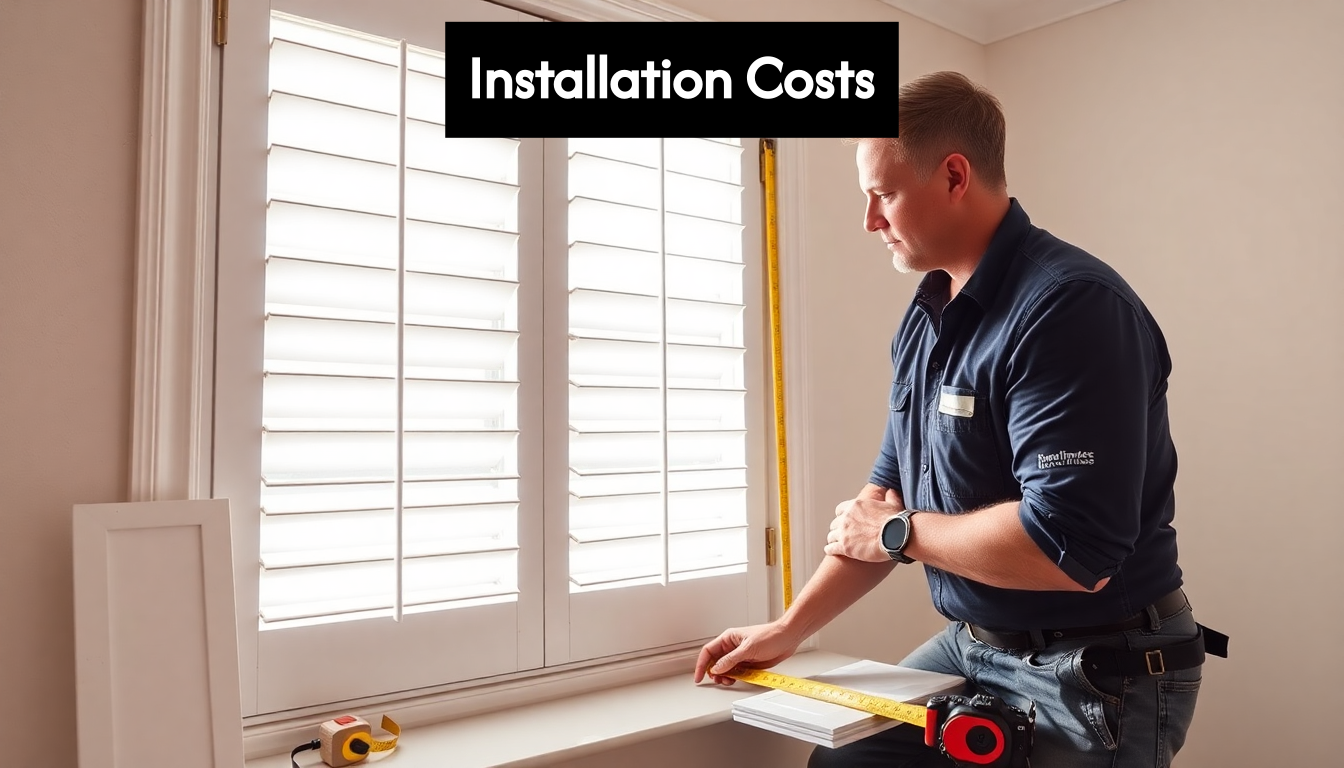
When considering window treatments for your Durban property, understanding the cost implications and installation requirements of blinds versus shutters is essential for making a financially sound decision. Let’s explore the financial aspects and practical considerations of both options.
Initial Investment Comparison
The price difference between blinds and shutters is significant and often becomes a decisive factor for many property owners.
Blinds Pricing:
Blinds generally represent the more budget-friendly option upfront. According to the U.S. Consumer Product Safety Commission, the average retail price for window blinds typically ranges from $30–$80 per window, depending on type and material. In the Durban market, you can expect:
- Basic vinyl or aluminum blinds: R300-R900 per window
- Wood or faux wood blinds: R700-R2,000 per window
- Custom fabric blinds (roller or Roman): R900-R3,000+ per window
- Motorized or smart blinds: R2,500-R7,000+ per window
Larger windows, specialty shapes, or premium materials will push these prices toward the higher end of the range.
Shutters Pricing:
Shutters represent a premium window treatment option with a significantly higher initial cost. As noted in a comprehensive guide by Shuttercraft, shutters—especially plantation shutters—are considerably more expensive due to custom sizing and materials. In Durban, expect to invest:
- Vinyl or composite shutters: R3,000-R5,000 per window
- Hardwood shutters: R4,000-R8,000+ per window
- Custom or oversized shutters: R6,000-R12,000+ per window
The price difference becomes more pronounced with larger windows or unique configurations, as shutters are almost always custom-manufactured for each specific opening.
Installation Requirements and Costs
The installation process and associated costs vary significantly between these window treatment options.
Blinds Installation:
Blinds installation is generally straightforward and less expensive compared to shutters. Many homeowners in Durban even opt for DIY installation for standard-sized blinds. If you choose professional installation:
- Standard blind installation typically costs R200-R500 per window
- More complex installations or hard-to-reach windows may incur additional charges
- Most installations can be completed quickly, often in less than an hour per window
According to the Consumer Product Safety Commission, many blinds are suitable for DIY installation and come in standardized sizes, making them more accessible for immediate installation without extensive waiting periods.
Shutters Installation:
Shutter installation is more involved and almost always requires professional expertise:
- Professional measurement is essential for custom manufacturing
- Installation costs typically range from R800-R1,500 per window
- The process is more labor-intensive, often taking several hours per window
- Installation usually occurs weeks after measurement due to custom manufacturing time
The installation process for shutters is inherently more complex than for blinds, generally necessitating professional measurement and fitting due to the custom manufacturing required for precise window openings.
Long-Term Value Assessment
While the initial cost differential is substantial, a proper financial analysis must consider the long-term value proposition.
Research indicates that while shutters require a higher upfront investment, their typical lifespan of 15–25 years provides better long-term value compared to blinds, which may require replacement every 5-7 years. When calculating the lifetime cost over 20 years:
- Blinds: May require 3-4 replacements, potentially exceeding the one-time cost of shutters
- Shutters: Generally remain functional and attractive throughout this period with minimal maintenance costs
For Durban’s luxury property market, this longevity factor often makes shutters the more economical choice over time, despite their higher initial cost. Additionally, shutters typically add to property value, potentially returning a portion of the investment when selling the property.
Hidden Costs to Consider
Beyond the obvious price tags, several hidden costs affect the total investment:
For Blinds:
- Replacement parts for mechanisms that fail
- More frequent cleaning supplies or professional cleaning services
- Potential energy efficiency losses compared to shutters
For Shutters:
- Potential wall repairs when removing or replacing shutters
- Higher insurance value and potentially higher premiums
- Limited flexibility for style changes without significant reinvestment
For commercial property managers in Durban, the maintenance and replacement schedules should be factored into operational budgets when deciding between these options.
Understanding these cost dynamics helps Durban property owners make informed decisions that align with both their immediate budget constraints and long-term investment goals. While blinds offer accessibility and flexibility at a lower entry point, shutters represent a premium, lasting investment that may provide better value over the full ownership cycle of the property.
Frequently Asked Questions
What is the main difference between blinds and shutters?
Blinds are adjustable window coverings made from thin materials and are typically mounted inside the window frame. Shutters are solid, permanently mounted coverings made from thicker materials, offering a more durable and architectural appearance.
How long do blinds and shutters last?
Blinds usually last about 5 to 7 years, depending on the material and maintenance, while shutters can last over 20 years, making them a more long-term investment.
Are blinds or shutters better for energy efficiency?
Shutters generally offer better energy efficiency due to their thicker construction and tighter fit against the window frame, providing superior insulation compared to blinds.
What factors should I consider when choosing between blinds and shutters?
Consider initial costs, durability, maintenance requirements, aesthetic impact, energy efficiency, and the architectural style of your home when deciding between blinds and shutters.
Transform Your Space with Quality You Can Trust!
Choosing between blinds and shutters can be overwhelming. Are you looking for durable, beautiful solutions that truly elevate your home’s style while providing long-term value? With shutters lasting over 20 years compared to blinds needing replacements every 5 to 7 years, it’s crucial to make a choice that enhances your investment.

At Urban Studio Designs, we specialize in custom-made window treatments tailored to your needs. Our collection includes high-quality blinds and shutters, as well as a variety of curtains, insect screens, and security bars. We guarantee not only exceptional durability but also a commitment to supporting you long after the sale. When you choose us, you’re investing in peace of mind and a relationship that lasts.
Don’t wait! Explore our diverse range of styles and colors that fit your décor. Visit Urban Studio Designs now and start transforming your space into the sanctuary you deserve!
