
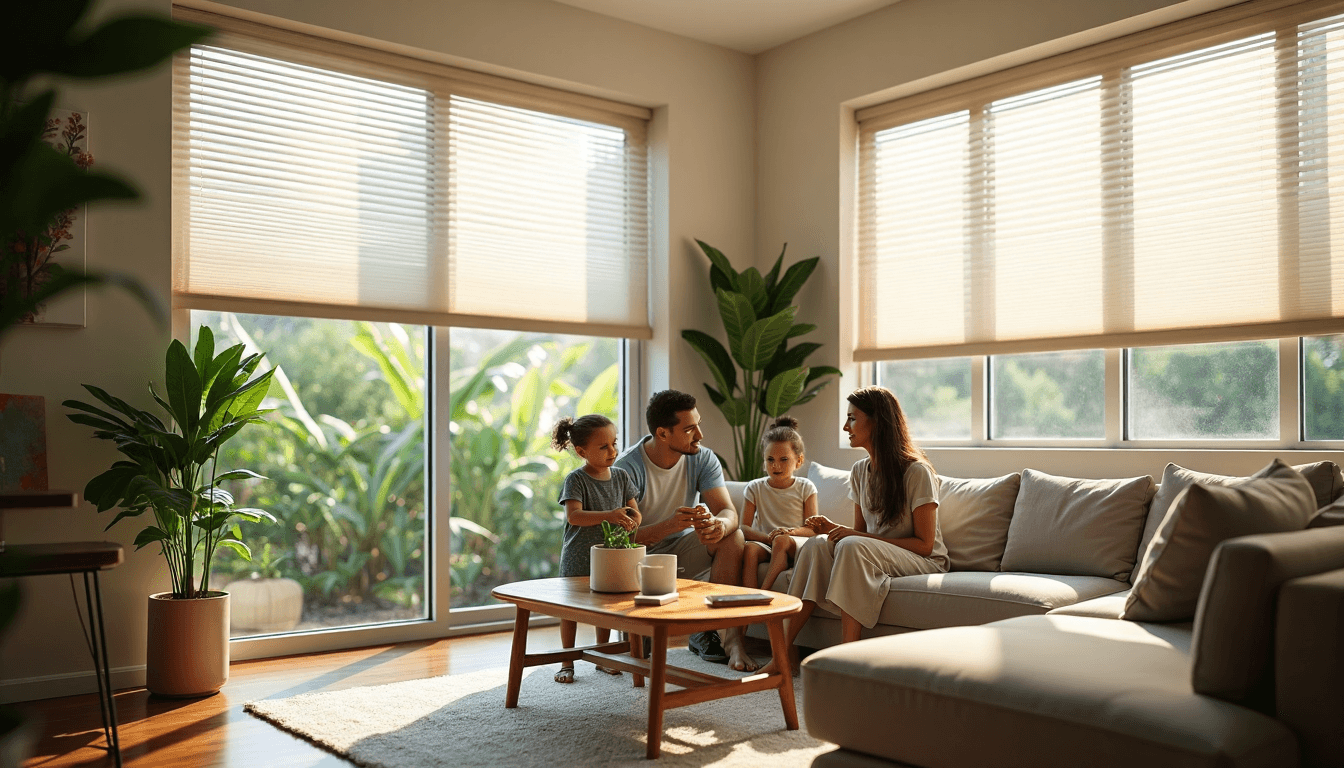
Blinds are quietly transforming homes and offices in Durban and the stats are wild. The right blinds can cut your heating and cooling bills by up to 30 percent and reflective options slash summer heat gain by 45 percent. Think blinds are all about looks and privacy? Think again. It turns out these window coverings are Durban’s secret weapon for energy savings and real comfort all year round.
Table of Contents
- How Blinds Improve Energy Efficiency Indoors
- Best Blind Types For Durban’s Climate
- Personalised Blinds For Luxury And Hospitality Spaces
- Choosing Energy-Saving Blinds For Your Project
Quick Summary
| Takeaway | Explanation |
|---|---|
| Blinds Enhance Energy Efficiency | Blinds significantly reduce indoor energy consumption by providing thermal insulation and comfort, potentially saving up to 30% on heating and cooling costs in challenging climates. |
| Optimal Blind Types for Durban | Honeycomb blinds and reflective surfaces are ideal for Durban’s subtropical climate, effectively managing heat and reducing solar radiation by up to 45%. |
| Personalized Solutions for Hospitality | Customized blinds in luxury hospitality settings enhance guest experiences by providing effective thermal regulation and aesthetic appeal while aligning with sustainability goals. |
| Strategic Selection is Key | Choosing blinds with superior thermal resistance, reflective properties, and adaptability can lead to significant energy savings, optimizing both daylighting and energy consumption. |
| Technical Considerations Matter | Understanding local climate, window orientation, and building design is crucial for maximizing the efficiency of chosen blind solutions, ensuring long-term comfort and sustainability. |
How Blinds Improve Energy Efficiency Indoors
Window coverings play a critical role in managing indoor energy consumption, with blinds emerging as a strategic solution for temperature regulation and thermal efficiency. Understanding the impact of blinds on energy performance can transform how homeowners and property managers approach environmental control and sustainability.

Thermal Insulation Mechanisms
Blinds act as a sophisticated barrier between indoor living spaces and external temperature fluctuations. According to research in Sandton, Gauteng, window coverings can achieve significant electricity consumption reductions, with studies demonstrating up to 13% savings when windows are fully covered during winter months.
The thermal performance of blinds depends on multiple factors including material composition, installation method, and reflective properties. An experimental analysis revealed that high-reflectivity blinds installed externally on south-facing windows can achieve energy savings exceeding 30% in challenging climate conditions.
Comfort and Energy Optimization
Beyond pure temperature management, blinds contribute to comprehensive indoor comfort strategies. Advanced studies in urban office environments demonstrate that strategic blind placement can enhance thermal comfort, achieving internationally recognized comfort standards with precise temperature modulation.
Key energy efficiency benefits include:
- Solar Heat Reduction: Blocking direct sunlight prevents unnecessary heat absorption
- Insulation Layer: Creating an additional barrier against temperature exchange
- Climate Control: Minimizing reliance on mechanical heating and cooling systems
Property owners can optimize their energy consumption by selecting appropriate blind materials and installation techniques. Learn more about selecting the perfect blinds for energy management to transform your indoor environment.
Modern blinds represent more than aesthetic window treatments—they are intelligent thermal management solutions designed to create comfortable, energy-efficient living and working spaces. By understanding and implementing strategic blind selections, individuals can significantly reduce energy expenditure while maintaining optimal indoor environments.
To help visualise the energy savings possible with different blind types and uses, the following table summarises key statistical benefits mentioned in the article:
| Scenario or Blind Type | Energy Savings | Study/Source Location |
|---|---|---|
| General heating/cooling bill reduction | Up to 30% | Article Introduction |
| Reflective blinds (summer heat gain reduction) | Up to 45% | Article Introduction |
| Full window coverage in winter | Up to 13% | Sandton, Gauteng |
| External high-reflectivity blinds (south-facing windows) | Over 30% | Experimental Analysis |
| Strategic blind usage (reduced energy costs) | Up to one-third | South African Building Research |
Best Blind Types for Durban’s Climate
Durban’s unique subtropical climate demands strategic window treatments that balance temperature control, energy efficiency, and aesthetic appeal. Selecting the right blinds is crucial for managing indoor comfort and reducing energy consumption in this dynamic environmental context.
Thermal Performance and Material Selection
In Durban’s hot and humid climate, window coverings must provide exceptional thermal regulation. Honeycomb (Cellular) Blinds represent a sophisticated solution, featuring a unique air-trapping structure that creates an effective insulation barrier. According to research from local sustainability experts, these blinds can significantly reduce heat transfer, maintaining consistent indoor temperatures.
Key characteristics of optimal blinds for Durban include:
- Reflective Surface: Materials that deflect solar radiation
- Adjustable Slats: Enabling precise light and temperature management
- Lightweight Composition: Facilitating easy manipulation and durability
Climate-Specific Blind Technologies
Reflective blinds emerge as a premier choice for managing Durban’s intense sunlight. Studies indicate that these specialized window coverings can decrease heat gain by approximately 45% during summer months. The adjustable nature allows residents to fine-tune their indoor environment, balancing natural light with thermal comfort.
Property owners seeking comprehensive window solutions can explore our comprehensive blind installation options tailored specifically for local climate conditions.
The ideal blind selection goes beyond mere aesthetics, representing a strategic investment in energy efficiency and indoor comfort. By understanding material properties, thermal dynamics, and local environmental challenges, Durban residents can transform their living and working spaces into optimally regulated environments.
Consider factors such as orientation, sun exposure, and specific room requirements when selecting blinds. Each space presents unique thermal challenges that demand nuanced window treatment approaches, ensuring maximum energy performance and comfort throughout Durban’s varied seasonal conditions.

To clarify and compare key blind types and their features for Durban’s climate, see the table below:
| Blind Type | Key Features | Energy Benefit | Ideal Use Case |
|---|---|---|---|
| Honeycomb (Cellular) | Air-trapping cells, excellent insulation | Reduces heat transfer, maintains consistent temperature | All seasons, hot and humid climates |
| Reflective Blinds | Deflect solar radiation, adjustable slats | Reduces solar heat gain by up to 45% | Summer, windows with high sun exposure |
| Roller Blinds | Sleek, customisable, light control | Thermal regulation, stylish appearance | Luxury, hospitality, adaptable spaces |
Personalised Blinds for Luxury and Hospitality Spaces
In the competitive landscape of luxury hospitality, personalized window treatments represent more than aesthetic choices—they are strategic investments in guest experience, energy efficiency, and brand differentiation. Durban’s hospitality sector demands sophisticated solutions that seamlessly blend comfort, style, and sustainable design.
Energy Efficiency in Hospitality Design
The South African hospitality industry increasingly recognizes the critical role of intelligent window treatments. According to national energy standards, shading devices like customized blinds are instrumental in reducing solar heat gain while maintaining optimal natural light penetration. This approach directly aligns with the Department of Tourism’s Green Tourism Incentive Programme, which encourages sustainable management of electrical resources.
Key considerations for luxury hospitality blinds include:
- Thermal Regulation: Minimizing heat transfer and reducing cooling costs
- Light Control: Creating adaptable ambient environments
- Aesthetic Customization: Reflecting unique brand identity
Tailored Solutions for Sophisticated Spaces
Modern hospitality spaces require window treatments that offer unparalleled flexibility. Roller blinds provide an elegant solution, allowing precise control over light and privacy while maintaining a sleek, contemporary aesthetic. These versatile window coverings can be precisely engineered to meet the specific thermal and design requirements of high-end hotels, lodges, and boutique accommodations.
Advanced blind technologies enable hospitality managers to create environments that simultaneously address guest comfort, energy efficiency, and visual appeal. By selecting materials and designs that complement architectural styles and functional needs, properties can transform standard window treatments into sophisticated climate management systems.
The intersection of technology and design in window treatments represents a forward-thinking approach to hospitality management. Personalized blinds are no longer mere decorative elements but intelligent systems that contribute to overall guest experience, operational efficiency, and environmental sustainability.
For hospitality professionals seeking to elevate their spaces, investing in customized blind solutions offers a strategic advantage. These sophisticated window treatments not only enhance guest comfort but also demonstrate a commitment to innovative, energy-conscious design principles that distinguish top-tier hospitality experiences in Durban’s competitive market.
Choosing Energy-Saving Blinds for Your Project
Selecting the right blinds is a critical decision that extends far beyond aesthetic considerations. For Durban property owners and designers, energy-saving blinds represent a strategic investment in long-term environmental performance and cost efficiency.
Strategic Material and Design Selection
Research from energy efficiency experts indicates that window coverings play a pivotal role in thermal management. The selection process requires careful evaluation of material properties, light transmission characteristics, and thermal performance.
Key factors to consider when choosing energy-efficient blinds include:
- Thermal Resistance: Materials with superior insulating properties
- Reflective Surfaces: Capability to deflect solar radiation
- Adaptability: Ease of adjusting for different lighting and temperature conditions
To assist in blind selection, the table below summarises the strategic considerations for choosing energy-saving blinds in Durban:
| Factor | Description | Importance |
|---|---|---|
| Thermal Resistance | Ability of material to insulate | Essential for maintaining indoor temperature and reducing costs |
| Reflective Surfaces | Capacity to deflect solar heat | Crucial for minimising summer heat gain and optimising comfort |
| Adaptability | Ease of adjustment for different conditions | Needed for day-to-night or seasonal use |
| Window Orientation | Placement relative to sun path | Influences heat gain/loss and light optimisation |
| Climate Conditions | Suitability for Durban’s humid subtropical weather | Ensures effective year-round performance |
| Aesthetic/Custom Fit | Ability to match décor and space requirements | Supports branding and individual design needs |
Optimization of Daylighting and Energy Consumption
Scientific studies in South African building research reveal that strategic blind usage can reduce total energy costs by up to one-third. This significant reduction stems from minimizing artificial lighting requirements and managing solar heat gain.
Property owners can explore our comprehensive guide to selecting the perfect blind colors that not only complement interior design but also enhance energy performance.
Technical Considerations for Maximum Efficiency
Implementing energy-saving blinds requires understanding specific environmental contexts. National building standards recommend shading devices that provide flexible light control while maintaining thermal comfort.
Consider these technical parameters:
- Orientation of windows
- Local climate conditions
- Building’s architectural design
- Specific room function and usage patterns
The intersection of design, technology, and environmental consciousness defines modern blind selection. By prioritizing energy efficiency, property owners in Durban can create spaces that are not just visually appealing but also environmentally responsible and economically sustainable.
Ultimately, choosing energy-saving blinds is an investment in comfort, aesthetics, and long-term sustainability. Each selection represents an opportunity to reduce carbon footprint, minimize energy expenditure, and create living environments that respond intelligently to Durban’s dynamic climate conditions.
Frequently Asked Questions
What are the energy-saving benefits of using blinds in Durban?
Blinds can cut heating and cooling bills by up to 30% and reflective options can reduce summer heat gain by 45%, improving overall energy efficiency.
Which types of blinds are best suited for Durban’s climate?
Honeycomb blinds and reflective blinds are ideal, as they provide excellent thermal insulation and effectively manage heat in Durban’s subtropical climate.
How do blinds help improve indoor comfort?
Blinds create a barrier against external temperature fluctuations, reduce solar heat absorption, and minimize reliance on mechanical heating and cooling systems.
How can I choose energy-saving blinds for my home?
Consider blinds with high thermal resistance and reflective properties, and ensure they fit well with your window orientation and room requirements to optimize both energy consumption and daylighting.
Upgrade Your Durban Space: Cut Energy Bills and Boost Comfort Now
Have you noticed how Durban’s heat and humidity push your cooling costs higher every year? The article spells it out. Ordinary blinds just do not offer the thermal barrier you need to combat escalating energy use. With modern innovations such as honeycomb designs and reflective surfaces, you can slash those bills and create real comfort. Durban’s climate demands more than off-the-rack solutions. You need window coverings that truly insulate as well as elevate your décor, all professionally customised for your home or business.

Ready to make a change that lasts? Explore our high-quality blinds and shutters collections for both indoor and outdoor spaces, or dive into our colour and style options for a tailored solution that fits your vision. Every product is proudly custom made, built to handle tough Durban conditions, and comes with a warranty for peace of mind. Visit Urban Studio Designs today and start transforming your space into an energy-smart haven. Act now to lock in savings for all seasons and experience personalised support from a team that’s with you every step of the way.
