
Interior design trends in Durban are flipping expectations in 2025. Bold new palettes like deep amethyst and emerald green are now leading the pack and neutral colours are taking a back seat for the first time in years. You might think bold colours are as far as the shake-up goes but Durban’s biggest shift is all about intelligent window technologies that can cut home energy use by up to one-third. The future of luxury interiors is not just about what you see but how your home feels and responds to you.
Table of Contents
- Latest Colours And Materials For Modern Spaces
- Smart Technology In Window Treatments
- Custom Blinds And Curtains For Premium Properties
- Sustainable Design Choices For Durban Interiors
Quick Summary
| Takeaway | Explanation |
|---|---|
| Bold colours dominate modern interiors | Jewel tones like deep amethyst and emerald green enhance spaces, moving past neutral colour schemes. |
| Sustainable materials are essential | Natural and recycled materials are prioritized, promoting ecological responsibility and authenticity in design. |
| Smart window technologies enhance homes | Intelligent systems optimize energy use and improve user interaction, making window treatments more responsive and convenient. |
| Custom solutions define premium properties | Tailored blinds and curtains reflect individual style and architectural integrity, emphasizing luxury and personal touch. |
| Sustainability is central to design | Eco-friendly materials and innovative technologies align interiors with environmental stewardship, reducing overall carbon footprint. |
Latest Colours and Materials for Modern Spaces
Modern interior design in 2025 is experiencing a transformative shift that reimagines how colour and material selections create immersive living environments. Contemporary spaces are moving beyond traditional aesthetics, embracing bold statements and sustainable innovations that reflect both personal style and environmental consciousness.
Colour Palettes: Beyond Neutrals
The traditional beige and grey colour schemes are giving way to more expressive and dynamic palettes. Explore our colour consultation guide to understand how emerging trends are reshaping interior design. According to Archiproducts’ 2025 Interior Design Trends report, designers are now gravitating towards rich jewel tones that add depth and sophistication to modern spaces. Deep amethyst, sapphire blue, and emerald green are becoming cornerstone colours that transform rooms from mundane to magnificent.
These vibrant hues are strategically paired with metallic accents, creating layers of visual interest. The interplay between deep saturated colours and gleaming metallic surfaces generates a luxurious atmosphere that feels both contemporary and timeless. Soft neutrals are not completely abandoned but are now used as complementary backdrops that allow these bold colours to truly shine.
Sustainable Materials: Authenticity and Responsibility
Materials in 2025 are telling a story of environmental responsibility and authentic design. DesignAsia Magazine’s trend report highlights a significant movement towards natural, tactile materials that connect inhabitants with their environment. Wood, stone, clay, and recycled materials are no longer just design elements but statements of ecological commitment.
Interior designers are incorporating soft, textured fabrics like velvet and boucl e9 to add warmth and luxury. These materials not only provide visual depth but also create sensory experiences that make spaces feel more inviting and personal. The emphasis is on materials that tell a story of craftsmanship, sustainability, and individual expression.
The intersection of colour and material in modern interior design is about creating holistic experiences. It’s not just about how a space looks, but how it makes people feel. By combining bold colour choices with authentic, sustainable materials, designers are crafting environments that are both aesthetically pleasing and emotionally resonant. As we move through 2025, expect to see interiors that are more personal, more conscious, and more alive than ever before.
To give you a clearer view of how colour trends have shifted in Durban’s modern interiors, here is a comparison table summarising how different colour choices and materials are influencing design in 2025:
| Aspect | Traditional (Past Years) | Modern (2025 Trends) |
|---|---|---|
| Dominant Colour Palette | Neutral tones (beige, grey) | Jewel tones (amethyst, emerald, sapphire), bold hues |
| Role of Metallic Accents | Minimal/occasional | Frequent, paired with bold colours for luxury |
| Material Preferences | Standard fabrics, mass-produced | Sustainable, tactile (velvet, boucle, wood, stone) |
| Use of Neutrals | Main colour scheme | As complementary backdrops to bold statements |
Smart Technology in Window Treatments
The evolution of window treatments in 2025 is being dramatically reshaped by intelligent technologies that transform how we interact with our living spaces. Smart window solutions are no longer futuristic concepts but practical innovations that offer unprecedented control, energy efficiency, and personalized comfort.
Adaptive Energy Management
Learn about our smart roller blind solutions that integrate cutting-edge technological capabilities. According to research from the Pacific Northwest National Laboratory, dynamically operated window treatments can significantly reduce heating and cooling energy consumption. These advanced systems use sophisticated sensors and machine learning algorithms to automatically adjust based on external temperature, sunlight intensity, and interior room conditions.
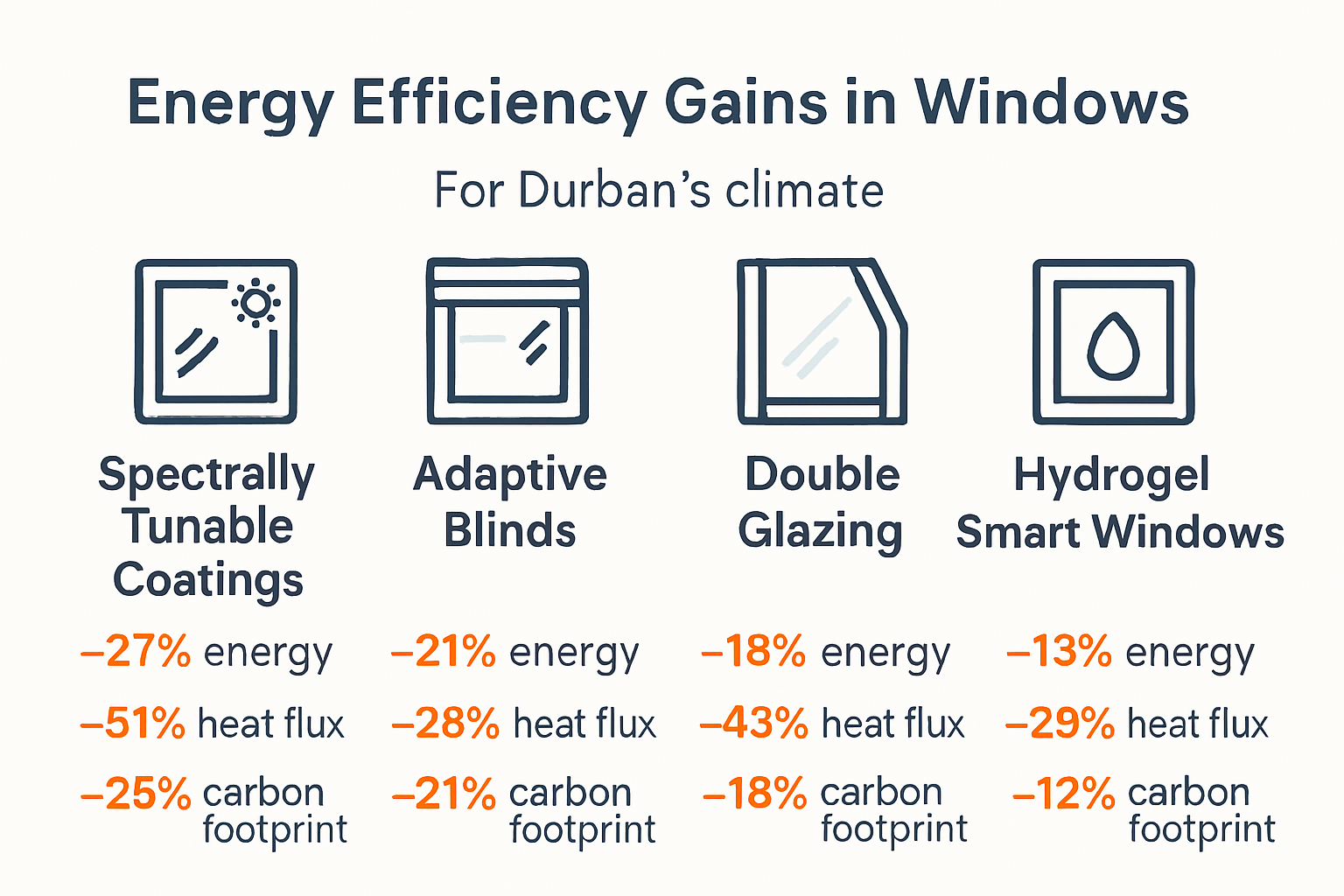
Researchers at the University of Oxford have developed spectrally tunable low-emissivity coatings that can potentially reduce a home’s energy usage by up to one-third. These innovations mean window treatments are no longer passive design elements but active participants in creating energy-efficient environments.
Interactive User Experience
Smart window technologies in 2025 prioritize seamless user interaction and personalization. Homeowners can now control their window treatments through smartphone applications, voice commands, or preset environmental profiles. These systems learn individual preferences over time, automatically adjusting opacity, light filtering, and thermal properties without manual intervention.
The U.S. Department of Energy’s funded research with Heliotrope Technologies demonstrates how nanotechnology is revolutionizing window design. Their innovative smart insulating glass units can dynamically optimize solar gain without compromising natural light transmission, representing a quantum leap in window treatment technology.
Beyond energy efficiency, these smart technologies offer enhanced privacy, security, and aesthetic flexibility. Electrochromic glass can instantly transition from transparent to opaque, while integrated sensors can detect potential security risks and automatically adjust window coverings. The future of window treatments is not just about covering a window but creating an intelligent, responsive interface between interior spaces and external environments.
As we move further into 2025, expect window treatments to become increasingly sophisticated intelligent systems that understand and anticipate human needs, blending technological innovation with design excellence.
Custom Blinds and Curtains for Premium Properties
In the realm of premium property design, window treatments are no longer mere functional accessories but sophisticated design statements that reflect individual style, architectural integrity, and refined taste. Custom blinds and curtains have emerged as critical elements in creating immersive, personalized living environments that speak to the discerning property owner’s aesthetic sensibilities.
Precision and Personalization
Explore our range of precision Venetian blinds that exemplify the art of tailored window solutions. According to a 2025 design analysis, the width and composition of curtains play a pivotal role in defining luxury interiors. Experts recommend measuring curtain width by multiplying the pole length by 2.5, ensuring elegant, flowing folds that create depth and sophistication in premium spaces.
Artificial intelligence is revolutionizing custom design approaches. A groundbreaking study utilizing Stable Diffusion and Dreambooth models demonstrates how advanced technologies can generate personalized interior configurations, allowing property owners to visualize and refine their window treatment designs with unprecedented precision before implementation.
Materiality and Aesthetic Complexity
Contemporary premium properties are witnessing a nuanced renaissance in curtain and blind materials. The Financial Times highlights the sophisticated return of net curtains, describing them as ‘soft architecture’ that bridges nostalgia with modern minimalism. These delicate yet functional treatments offer a screened effect that connects interior spaces with external environments without compromising privacy or design integrity.
For high-end properties, the selection of window treatments transcends mere aesthetics. Materials are chosen not just for their visual appeal but for their ability to modulate light, provide thermal regulation, and create atmospheric transitions between different living spaces. Translucent fabrics, advanced synthetic blends, and meticulously woven natural textiles are being deployed to craft window solutions that are simultaneously practical and artistically expressive.
The evolution of custom blinds and curtains reflects a broader design philosophy where every element is considered a potential canvas for personal expression. In premium properties, window treatments are no longer background elements but central protagonists in the narrative of interior design. They articulate spatial relationships, manage environmental conditions, and serve as powerful design statements that reflect the inhabitant’s sophisticated sensibilities.
As we progress through 2025, expect custom window treatments to become increasingly intelligent, adaptive, and deeply personal – transforming from mere coverings to dynamic, responsive interfaces that enhance both the functional and emotional quality of living spaces.
Sustainable Design Choices for Durban Interiors
Sustainability has transformed from a peripheral consideration to a central philosophy in modern interior design, particularly in environmentally conscious regions like Durban. As climate challenges intensify, homeowners and designers are increasingly adopting innovative solutions that minimize environmental impact while maintaining aesthetic excellence and functional performance.
Innovative Window Technologies
Learn about our sustainable design approach that prioritizes eco-friendly solutions. Cutting-edge window technologies are at the forefront of sustainable interior design. Researchers have developed advanced double glazing systems that can reduce incoming heat flux by 30% compared to traditional methods, demonstrating remarkable energy efficiency. These sophisticated systems utilize thermochromic metal-insulator transition materials, creating windows that actively manage thermal transfer and light transmission.
A groundbreaking simulation study reveals that dynamic near-infrared modulation in windows can potentially generate annual energy savings of up to 19% across various climate zones. This research highlights how intelligent window treatments can significantly contribute to reducing overall building energy consumption, a critical consideration in Durban’s diverse and sometimes challenging climate.
To help you quickly compare modern window technologies discussed in the article, here’s a summary table outlining their key features and benefits relevant to Durban’s interiors:
| Technology Type | Key Features | Energy Saving / Benefit |
|---|---|---|
| Smart Roller Blinds | Sensors & automation, app/voice control, learning user preferences | Cuts heating/cooling energy use; convenient control |
| Spectrally Tunable Coatings | Adjusts to temperature & sunlight; spectral modulation | Can reduce energy usage by up to one-third |
| Advanced Double Glazing | Thermochromic materials, manages heat flux, dynamic near-IR modulation | Reduces incoming heat flux by 30%; saves energy |
| Electrochromic/Nanostructured Glass | Instantly changes opacity, enhances privacy, optimises solar gain | Dynamic adaptation, improved light & heat control |
| Hydrogel-Based Smart Windows | High visible light transmittance (92%), UV blocking, thermal insulation | UV protection; efficient thermal management |
Materials and Environmental Consciousness
Sustainable interior design extends far beyond energy efficiency. Emerging technologies are introducing composite materials that offer unprecedented performance. A novel hydrogel-based smart window system demonstrates remarkable capabilities, achieving 92% visible light transmittance while providing efficient ultraviolet absorption and impressive thermal insulation.
For Durban’s interior spaces, this means selecting materials that are not just environmentally responsible but also functionally superior. Recycled textiles, responsibly sourced woods, low-VOC paints, and locally manufactured products are becoming standard choices. These materials reduce carbon footprint while supporting local economies and maintaining high aesthetic standards.
The evolution of sustainable design in Durban represents more than a trend – it’s a fundamental reimagining of how interiors can harmonize with environmental stewardship. Designers and homeowners are recognizing that sustainability is not about compromise but about creating more intelligent, responsive living environments.
As we progress through 2025, expect sustainable design to become increasingly sophisticated. Window treatments, materials, and interior solutions will continue to blur the lines between technological innovation, environmental responsibility, and aesthetic excellence. In Durban, this means creating spaces that are not just beautiful and functional, but also consciously aligned with global sustainability goals.
Frequently Asked Questions
What are the current colour trends in modern interior design for 2025?
The 2025 interior design trends are moving towards bold jewel tones such as deep amethyst, sapphire blue, and emerald green, moving away from traditional neutral palettes like beige and grey.
How do smart window technologies contribute to energy efficiency in homes?
Smart window technologies use sensors and machine learning to dynamically adjust window treatments based on temperature and sunlight, potentially reducing heating and cooling energy consumption by up to one-third.
What are the benefits of using custom blinds and curtains in premium properties?
Custom blinds and curtains provide precision and personalization, reflecting individual style and enhancing the overall luxury interior. They are designed to suit specific architectural features, creating depth and sophistication.
How can sustainable materials impact interior design in Durban?
Sustainable materials, such as recycled textiles and responsibly sourced woods, not only reduce the carbon footprint but also promote environmental responsibility. They help create interiors that are both aesthetically pleasing and eco-friendly.
Transform Your Space with Modern Window Solutions
Are you ready to embrace the bold new trends sweeping Durban in 2025? If you have ever worried that your interiors look outdated or struggle with extreme sunlight and heat, you are not alone. Many homeowners now want energy-saving smart window treatments, luxurious touches with custom blinds or curtains, and sustainable solutions that keep their spaces fresh and comfortable. At Urban Studio Designs, we understand that finding the right balance between style, technology, and eco-friendliness is no easy task.

Step into a new chapter for your home. Browse our blinds and shutters collection, explore the latest in smart roller blinds, and see how our custom-curated solutions align with the very best of 2025’s interior design trends. Visit Urban Studio Designs today for a personalised consultation. Change starts today when you trust the team that stands by you for years to come.
