
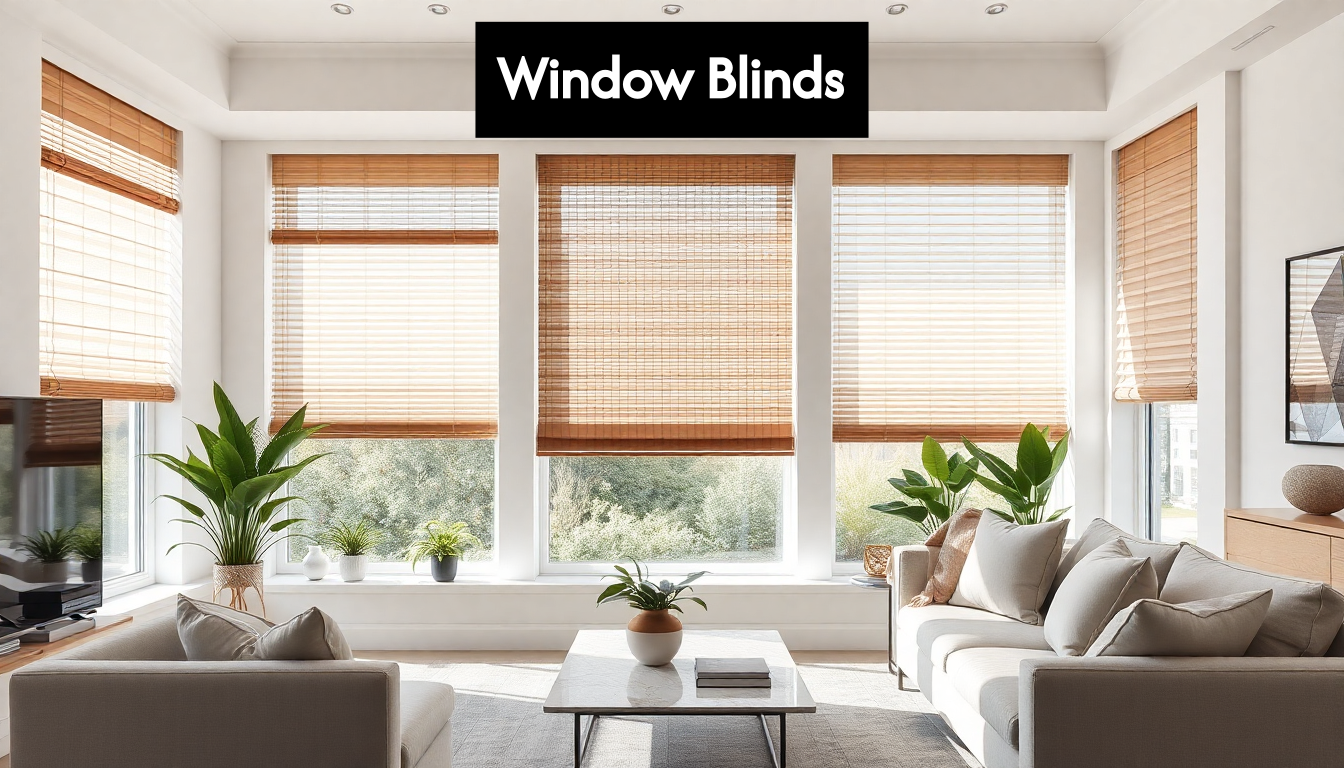
Choosing the right window treatments can transform your space in ways you might never expect. Did you know that the global curtains and window blinds market is projected to grow from USD 24.9 billion in 2024 to USD 57.6 billion by 2034? That’s quite a leap, right? But here’s the kicker: it’s not just about aesthetics or functionality. The real game-changer is how the latest innovations in window blinds can enhance energy efficiency and even integrate with smart home technology, making your home smarter and more comfortable than ever.
Table of Contents
- Popular Window Blind Types
- Materials, Features, And Styles
- Installation And Care Tips
- 2025 Trends And Buying Guide
Quick Summary
| Takeaway | Explanation |
|---|---|
| Understand Blind Types | Familiarize yourself with popular window blind types such as roller, venetian, vertical, roman, and cellular/honeycomb to make informed decisions that fit your functional and aesthetic needs. |
| Choose Appropriate Materials | Select materials for your blinds based on durability and climate considerations; polyester, wood, aluminum, and faux wood are all options with unique benefits suitable for Durban’s conditions. |
| Consider Features for Functionality | Look for essential features like light control, privacy options, and safety mechanisms (e.g., cordless designs) to enhance the usability of your blinds, especially for family-friendly spaces. |
| Plan for Professional Installation | Opt for professional installation for complex or custom blinds to ensure proper fit and functioning, especially important for luxury or high-value properties. |
| Stay Informed on Trends | Keep up-to-date with emerging market trends, including sustainability, smart technology integration, and multi-functional designs, to make forward-thinking investments in your window treatments. |
Popular Window Blind Types
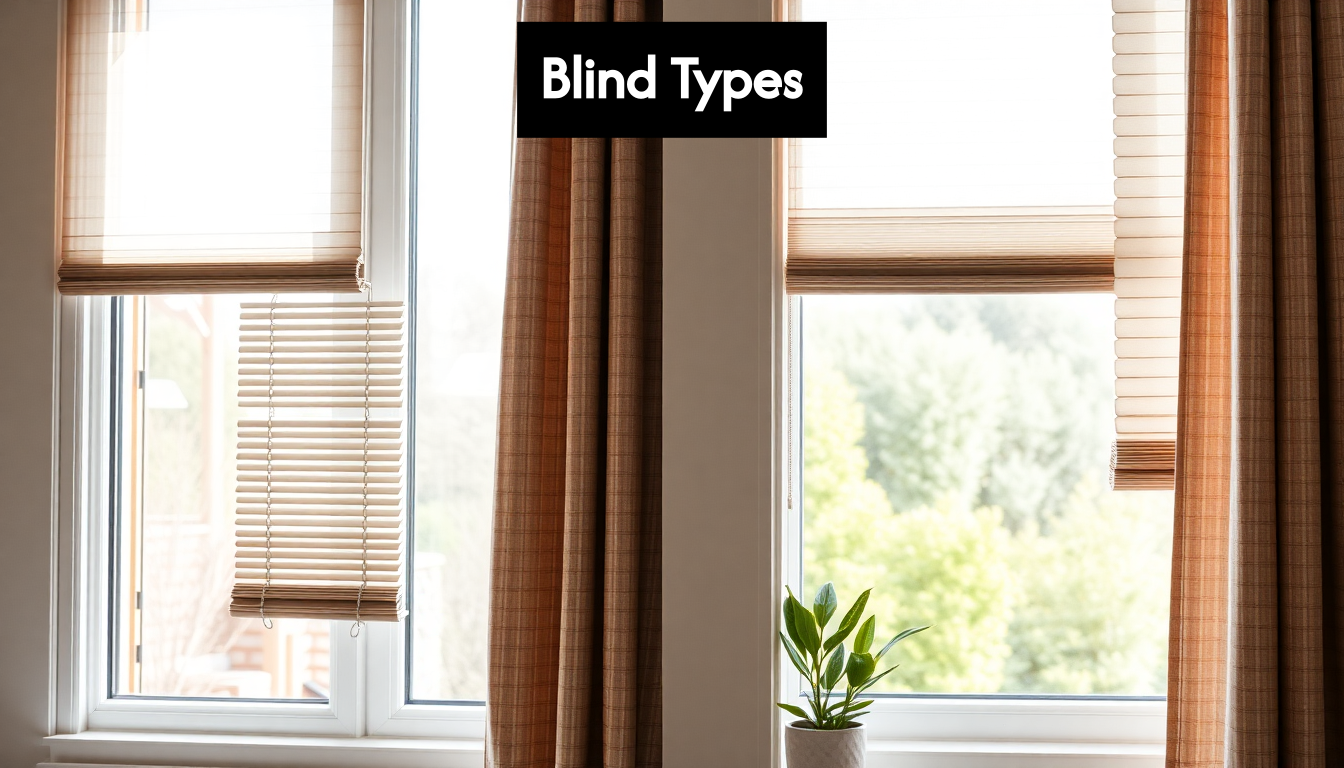
Navigating the world of window treatments can feel overwhelming with so many options available. Understanding the different types of window blinds can help you make informed decisions about what works best for your space, style preferences, and practical needs. Let’s explore the most popular window blind types that dominate the market today.
According to Market Research Future, several key window blind types are driving global market growth through 2034. These popular styles combine functionality with aesthetic appeal, making them sought-after choices for homeowners and businesses alike.
Roller Blinds
Roller blinds represent simplicity and efficiency in window coverings. These blinds consist of a single piece of fabric that rolls around a tube at the top of your window. When you need privacy or light control, simply pull them down.
What makes roller blinds so popular is their clean, minimalist appearance that complements virtually any décor style. They take up minimal space and come in countless fabric options—from light-filtering to complete blackout materials. For Durban homes where managing harsh sunlight is essential, blackout roller blinds offer excellent heat protection while preserving your furniture from sun damage.
These blinds are particularly popular in contemporary homes and commercial spaces where sleek, uncluttered lines are desired. They’re also a favorite in hospitality settings where ease of operation and maintenance are priorities.
Venetian Blinds
Venetian blinds feature horizontal slats suspended by cords or strips of cloth. Their defining characteristic is the ability to adjust the angle of the slats to control light and privacy with precision.
Available in various materials including aluminum, wood, and faux wood, Venetian blinds offer incredible versatility. Aluminum versions provide a modern, sleek appearance and are particularly moisture-resistant—making them ideal for Durban’s humid climate, especially in bathrooms and kitchens.
Wood Venetians add warmth and natural beauty to any room, while faux wood options provide the look of real wood with enhanced durability and moisture resistance. This makes them particularly appealing for luxury property owners in Durban who want the aesthetic of wood without worrying about warping in the coastal environment.
Vertical Blinds
Vertical blinds feature hanging slats that run from top to bottom rather than side to side. They’re the go-to choice for sliding doors, large windows, and patio doors, as they can be drawn to the side like curtains while also providing the tilting functionality of traditional blinds.
These blinds are especially practical for commercial property managers in Durban looking to cover large glass facades efficiently. They offer excellent light control in office environments while maintaining a professional appearance. In residential settings, modern vertical blinds have evolved beyond the outdated office look, now available in designer fabrics and materials that complement luxury homes.
Roman Blinds
Roman blinds combine the softness of fabric curtains with the functionality of blinds. When raised, the fabric stacks in even horizontal folds, creating an elegant, tailored appearance. When lowered, they present a smooth fabric surface.
Interior designers in Durban frequently recommend Roman blinds for their luxurious, upscale appearance. They work beautifully in formal living areas, master bedrooms, and dining rooms where aesthetic impact is as important as functionality. Available in countless fabric options, Roman blinds can be custom-made to perfectly complement existing décor elements.
Cellular/Honeycomb Blinds
Cellular blinds (also called honeycomb blinds) feature a distinctive honeycomb structure that creates air pockets, providing excellent insulation properties. This design helps regulate indoor temperatures—keeping homes cooler in Durban’s hot summers and warmer during occasional chilly evenings.
Beyond their energy efficiency, cellular blinds offer superior light diffusion, creating a soft, ambient glow rather than harsh direct sunlight. Their clean, contemporary appearance works well in modern homes and can be custom-fitted to unusual window shapes, making them versatile for various architectural styles.
Industry research confirms that these types of window blinds—roller, venetian, vertical, roman, and cellular—consistently rank among the most popular globally. Their enduring appeal stems from the perfect balance they strike between functionality, aesthetics, and adaptability to different environments and needs.
Whether you’re outfitting a luxury residence in Durban’s prestigious neighborhoods, upgrading a hotel property, or refreshing a commercial space, understanding these popular blind types provides a solid foundation for making informed decisions about your window treatments.
Materials, Features, and Styles
The effectiveness and aesthetic appeal of window blinds are largely determined by the materials used in their construction, the features they offer, and the styles available. When selecting blinds for your Durban home or business, understanding these elements helps you make choices that balance practicality, durability, and design preferences.
Popular Materials for Window Blinds
Window blinds come in a variety of materials, each with distinct advantages for different environments and needs. The material you choose significantly impacts durability, maintenance requirements, and style potential.
Polyester leads the global window blind market for good reason. According to Globe Newswire, polyester generated $6.5 billion in revenue in 2024 and is expected to grow at a 9.6% annual rate. Its popularity stems from an unbeatable combination of affordability, durability, and versatility. Polyester blinds resist fading, which is particularly important in Durban’s sunny climate, and they’re easy to clean—a practical consideration for busy households and commercial spaces.
Wood blinds represent one of the fastest-growing segments in the window treatment market, as noted by Cognitive Market Research. They bring natural warmth and richness to interior spaces that synthetic materials simply can’t match. In Durban’s luxury homes, genuine wood blinds—typically crafted from basswood, cherry, or oak—make a statement of refined elegance. These blinds work exceptionally well in living rooms, studies, and master bedrooms where their natural beauty enhances the overall ambiance.
Aluminum blinds offer superior durability and modern appeal. Their resistance to moisture and humidity makes them ideal for Durban’s coastal climate, particularly in spaces like bathrooms and kitchens where exposure to steam and moisture is common. The slim profile of aluminum slats provides a clean, contemporary look that works well in minimalist design schemes.
Faux wood, typically made from PVC or composite materials, offers the aesthetic appeal of wood with enhanced practicality. These blinds resist warping, cracking, and fading even in Durban’s occasionally extreme weather conditions. For hospitality industry professionals managing beachfront properties, faux wood blinds provide the luxury look guests expect with the durability property managers need.
Essential Features to Consider
Beyond materials, the functionality of window blinds is determined by their features. These practical elements can transform how you interact with your window treatments and how effectively they serve their purpose.
Light control capabilities vary significantly between blind types. Venetian and vertical blinds offer excellent control through adjustable slats, allowing you to precisely manage brightness throughout the day. This feature is particularly valuable in media rooms or offices where glare reduction is essential but complete darkness isn’t always desirable.
Privacy features should be carefully evaluated based on your specific location. If your Durban property faces a busy street or neighbors, consider blinds with complete closure options or room-darkening capabilities. Bottom-up blinds offer an innovative solution, allowing natural light through the top while maintaining privacy at eye level.
Safety features have become increasingly important, especially for properties catering to families with young children. Cordless operation eliminates dangerous hanging cords that pose strangulation hazards. Many high-end properties and hotels in Durban now specifically request child-safe window treatments as standard installations.
Motorization represents the premium end of window blind features. Remote-controlled or smart-home integrated blinds offer convenience and sophistication that luxury property owners increasingly expect. These systems can be programmed to adjust based on time of day or connect to sensors that respond to changing light conditions—perfect for Durban’s varying sunlight throughout the seasons.
Contemporary Styles and Trends
The style of your window blinds contributes significantly to your space’s overall design aesthetic. Current trends reflect both practical considerations and evolving design preferences.
Minimalist designs continue gaining popularity, with clean lines and unobtrusive profiles that complement modern architecture. Roller blinds, with their simple, streamlined appearance, are seeing increased adoption in contemporary builds and renovations throughout Durban, as confirmed by market research showing their rising popularity for modern design projects.
Texture is emerging as a key design element, with woven materials and natural-looking fabrics adding dimension to window treatments. These textured blinds add subtle visual interest while maintaining the clean lines modern design demands.
Layered window treatments—combining blinds with curtains or drapes—offer both practical benefits and design versatility. This approach allows Durban homeowners to address the region’s strong sunlight with light-filtering blinds while adding the softening effect of curtains for aesthetic balance.
By understanding the interplay between materials, features, and styles, you can select window blinds that not only function perfectly in Durban’s climate but also enhance your space’s beauty and value. The right combination creates window treatments that serve your practical needs while contributing to your property’s overall design excellence.
Installation and Care Tips
Properly installing and maintaining your window blinds ensures they function effectively and remain attractive for years to come. For Durban homeowners and businesses investing in quality window treatments, understanding these practical aspects can significantly extend the lifespan of your blinds while maximizing their performance.
Professional vs. DIY Installation
The decision between professional installation and a DIY approach depends on several factors including your comfort level with tools, the complexity of the blinds, and the number of windows being fitted.
Professional installation offers significant advantages, particularly for luxury homes and commercial properties in Durban. Experienced installers bring specialized tools and knowledge of local environmental considerations. They ensure your blinds are perfectly level, operate smoothly, and fit precisely to your windows. For motorized systems or custom installations, professional service eliminates the risk of costly mistakes.
DIY installation can be appropriate for standard-sized blinds in accessible locations. If you choose this route, research proper techniques specific to your blind type. According to This Old House, when installing inside-mount blinds, precise measuring is critical—you’ll need to drill pilot holes for brackets to ensure stability and proper operation. For outside-mount blinds, carefully mark level placement above the window frame before securing brackets.
Installation Safety Considerations
Safety should be a primary concern during blind installation, both for the installer and for the future users of the space. The U.S. Consumer Product Safety Commission highlights that custom window coverings should not have accessible operating cords longer than 8 inches to prevent child strangulation risks, as noted in the Federal Register.
When installing blinds in Durban homes with young children, prioritize cordless options or ensure cord cleats are installed at adult height. For motorized blinds, proper electrical connections are essential—a qualified electrician may be required for hardwired systems to prevent shock hazards.
Durban’s coastal environment introduces additional safety considerations during installation. Secure mounting is crucial to prevent blinds from becoming projectiles during occasional strong winds when windows are open. For large window treatments in commercial spaces, multiple mounting points may be necessary.
Operational Care and Maintenance
Regular maintenance extends the life of your window blinds while keeping them looking their best. Different materials require specific care approaches to maintain their appearance and functionality.
For fabric blinds common in Durban homes, regular dusting with a microfiber cloth prevents dirt buildup that can become more difficult to remove over time. Dust wooden blinds gently with a dry cloth or specialized blind duster that can clean multiple slats simultaneously. Vacuum attachments with brush heads work well for periodic deeper cleaning.
Aluminum and vinyl blinds stand up well to Durban’s humid climate but benefit from occasional wiping with a damp cloth to remove salt air residue that can accumulate in coastal areas. Be cautious with wooden blinds—excessive moisture can cause warping or staining, so use only slightly damp cloths when necessary.
Spot cleaning for stains varies by material. For fabric blinds, test any cleaning solution on an inconspicuous area first. Most synthetic materials respond well to mild soap and water, while natural fabrics may require specialized cleaners.
Automated vs. Manual Operation Maintenance
Your choice between manual and automated blinds impacts long-term care requirements. Research from SINTEF suggests that while automated shading systems may increase occupant satisfaction, they also introduce different maintenance considerations.
Manual blinds require periodic mechanism checks—lubricating moving parts with silicone spray (never WD-40, which attracts dust) keeps operation smooth. Check cords for fraying, particularly in Durban’s strong sunlight which can degrade materials over time.
Motorized blinds need battery replacement or charging for wireless systems. Keep remote controls in designated locations to prevent loss, and occasionally check that programmed settings still function correctly. For smart-home integrated blinds, software updates may be necessary to maintain compatibility with your home system.
Troubleshooting Common Issues
Even well-maintained blinds occasionally develop operational problems. Understanding basic troubleshooting can save service calls and downtime.
If blinds become uneven during operation, check for obstructions in the track or mechanism. For blinds that won’t raise or lower smoothly, inspect for tangled cords or strings. Sometimes realigning the blind within its brackets solves operational issues.
Slats that no longer close completely often indicate that the tilt mechanism needs adjustment. This is typically a simple fix involving the tilt cord or wand. For motorized blinds that stop responding, try resetting the system according to manufacturer instructions before calling for service.
By following these installation and maintenance guidelines, your window blinds will continue to enhance your Durban home or business with both functionality and style for many years. Regular care prevents costly replacements and ensures your investment in quality window treatments continues to pay dividends in comfort, aesthetics, and property value.
2025 Trends and Buying Guide
The window treatment industry continues to evolve rapidly, with new technologies, materials, and design approaches emerging each year. Understanding the current trends and market projections can help Durban property owners make forward-thinking decisions about their window blind investments.
Market Growth and Innovation
The window covering industry is experiencing remarkable expansion. According to Globe Newswire, the global curtains and window blinds market is projected to grow from USD 24.9 billion in 2024 to USD 57.6 billion by 2034, with a compound annual growth rate of 8.9%. This substantial growth reflects increasing consumer interest in both the aesthetic and functional aspects of window treatments.
For Durban’s luxury property market, this growth translates to more options and innovations becoming available locally. Manufacturers are responding to market demand with products specifically designed for the unique requirements of coastal regions like Durban, where salt air, strong sunlight, and occasional severe weather all factor into product durability.
Sustainability Takes Center Stage
Environmental consciousness has moved from a niche consideration to a mainstream priority in window treatments. HN Magazine reports that consumers are increasingly preferring window blinds made from eco-friendly materials such as bamboo, recycled polyester, and organic cotton.
In Durban, where natural beauty is a defining characteristic of the region, this trend resonates particularly strongly with homeowners and hospitality providers. Bamboo blinds offer a connection to nature while providing excellent light filtering properties. Their natural variegation adds warmth and texture to contemporary spaces.
Recycled polyester blinds represent another sustainable option gaining traction. These blinds maintain all the practical benefits of traditional polyester—durability, fade resistance, easy cleaning—while significantly reducing environmental impact. For Durban’s commercial property managers, this presents an opportunity to align practical needs with corporate sustainability goals.
Beyond materials themselves, look for manufacturers who implement sustainable practices throughout their production process. Water conservation, reduced carbon footprint, and ethical labor practices are becoming important differentiators for discerning consumers.
Smart Technology Integration
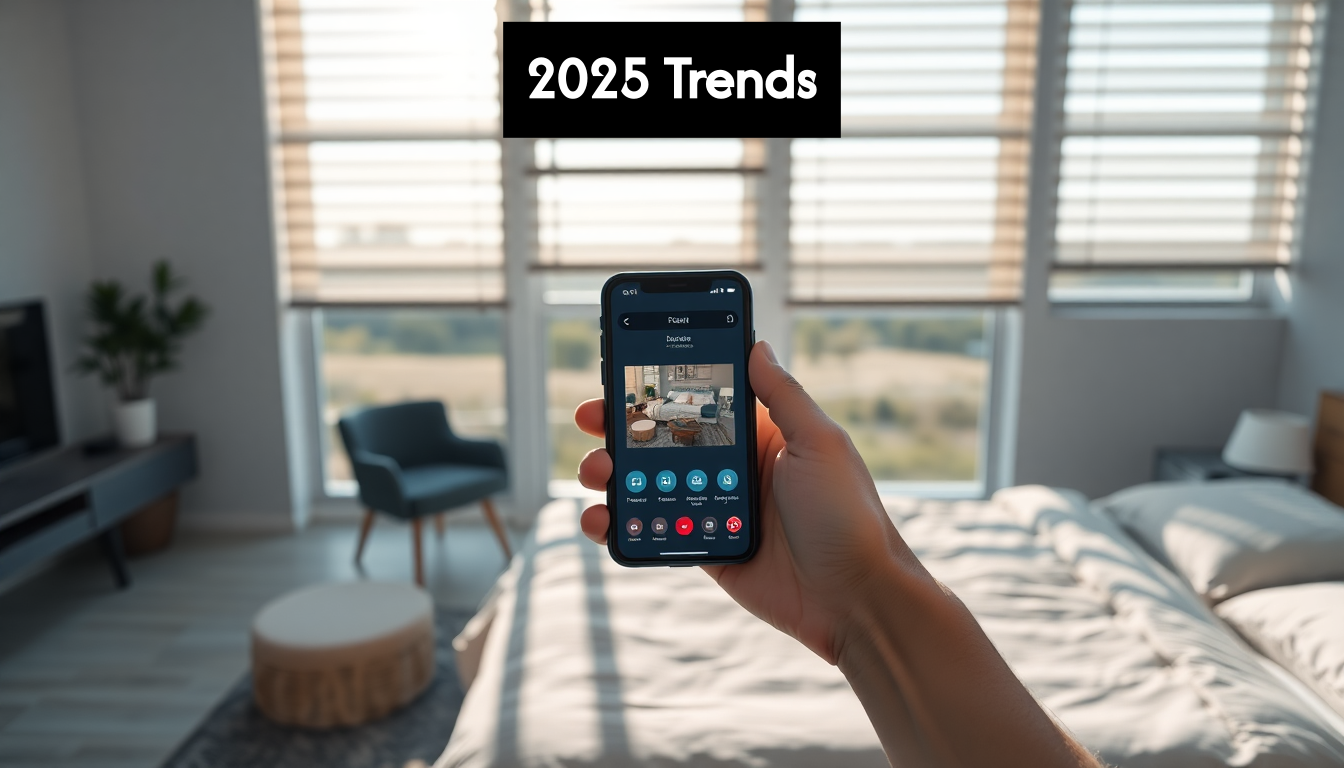
The convergence of window treatments and smart home technology continues to accelerate, transforming how we interact with our living and working environments. Smart blinds now offer unprecedented convenience and energy efficiency benefits that appeal to Durban’s tech-savvy property owners.
Motorized blinds with app control capabilities allow homeowners to adjust their window coverings remotely—perfect for managing Durban’s intense afternoon sun even when away from home. These systems can be programmed to respond to daily schedules, adjusting automatically at optimal times to balance natural light access with heat management.
Some cutting-edge systems now incorporate sunlight sensors that automatically adjust blind positions based on light intensity. This helps protect furniture and flooring from UV damage while optimizing natural light—a significant benefit in Durban’s sunny climate. As HN Magazine notes, these advancements are making sophisticated window treatment technology more accessible to homeowners.
For the hospitality industry in Durban, smart blinds offer guests personalized comfort while helping property managers optimize energy efficiency. Hotels are increasingly including room-specific blind control through guest apps or room control panels.
Multi-functional Window Treatments
Consumers are increasingly seeking window treatments that serve multiple purposes beyond basic light control and privacy. This has given rise to innovative products that address specific needs.
Energy-efficient blinds with enhanced insulating properties help regulate indoor temperatures—particularly valuable for Durban’s hot summers. Cellular honeycomb blinds with double or triple cells provide superior insulation, reducing air conditioning costs while maintaining comfort.
Soundproofing capabilities are another functional feature gaining attention. For Durban properties near busy tourist areas or commercial districts, blinds with acoustic dampening properties help create quieter interior environments. These specialized blinds incorporate denser materials or multiple layers designed to absorb sound waves.
Dual-function day/night blinds offer two opacity levels within a single window treatment. During daytime, a sheer fabric allows diffused light while maintaining privacy; at night, a more opaque layer provides complete seclusion. This versatility makes them ideal for Durban’s indoor-outdoor lifestyle where natural light is prized but privacy remains important.
Buying Guide Essentials for 2025
When purchasing window blinds in Durban for 2025 and beyond, consider these key factors to ensure your investment remains current and functional:
-
Prioritize quality hardware and mechanisms, as these determine long-term durability regardless of aesthetic trends.
-
Consider your specific climate challenges—Durban’s humidity, salt air, and intense sunlight require materials specifically rated for these conditions.
-
Balance automation with practicality—while smart features offer convenience, ensure backup manual operation options for power outages.
-
Invest in professional measuring and installation, especially for high-value properties where precision impacts both function and appearance.
By staying informed about emerging trends while focusing on quality and functionality, Durban property owners can make window treatment choices that enhance their spaces both aesthetically and practically for years to come.
Frequently Asked Questions
What are the most popular types of window blinds?
The most popular types of window blinds include roller blinds, Venetian blinds, vertical blinds, Roman blinds, and cellular/honeycomb blinds. Each type offers unique benefits in terms of style, functionality, and light control.
How do I choose the right material for window blinds?
When choosing materials for window blinds, consider durability, maintenance, and climate suitability. Polyester is affordable and easy to clean, while wood offers natural beauty. Aluminum is moisture-resistant, making it ideal for humid environments.
What features should I look for in window blinds?
Important features to consider include light control options, privacy settings, safety mechanisms, and automation. Cordless designs enhance safety for homes with children, and motorized blinds add convenience and advanced functionality.
How do I maintain and care for my window blinds?
Regular maintenance involves dusting with a microfiber cloth, wiping down with a damp cloth for aluminum and vinyl blinds, and spot cleaning fabric blinds as needed. Routine checks of the mechanisms ensure smooth operation and extend the lifespan of your blinds.
Transform Your Space with Custom Window Solutions from Urban Studio Designs
Imagine stepping into a room where your window treatments not only look stunning but also enhance your home’s energy efficiency and comfort. With the diverse range of options like roller blinds, Venetian blinds, and cellular/honeycomb styles highlighted in the 2025 Guide, selecting the right solution can feel overwhelming. But don’t worry, we’re here to solve that!
At Urban Studio Designs, we specialize in custom-made window coverings that perfectly fit your functional and aesthetic needs. Our extensive collection includes not only stylish blinds but also durable curtains, insect & security screens, and clear view guard secure bars—all designed to endure the unique challenges of Durban’s climate. With our commitment to providing high-quality, long-lasting products backed by a warranty, you can trust that your investment will enhance your home for years to come.
Don’t just dream about transforming your space—make it a reality today! Visit https://urban-studio.co.za to explore our stunning selection of blinds and see how we can elevate your décor. Let us help you create a comfortable, stylish sanctuary tailored just for you!
